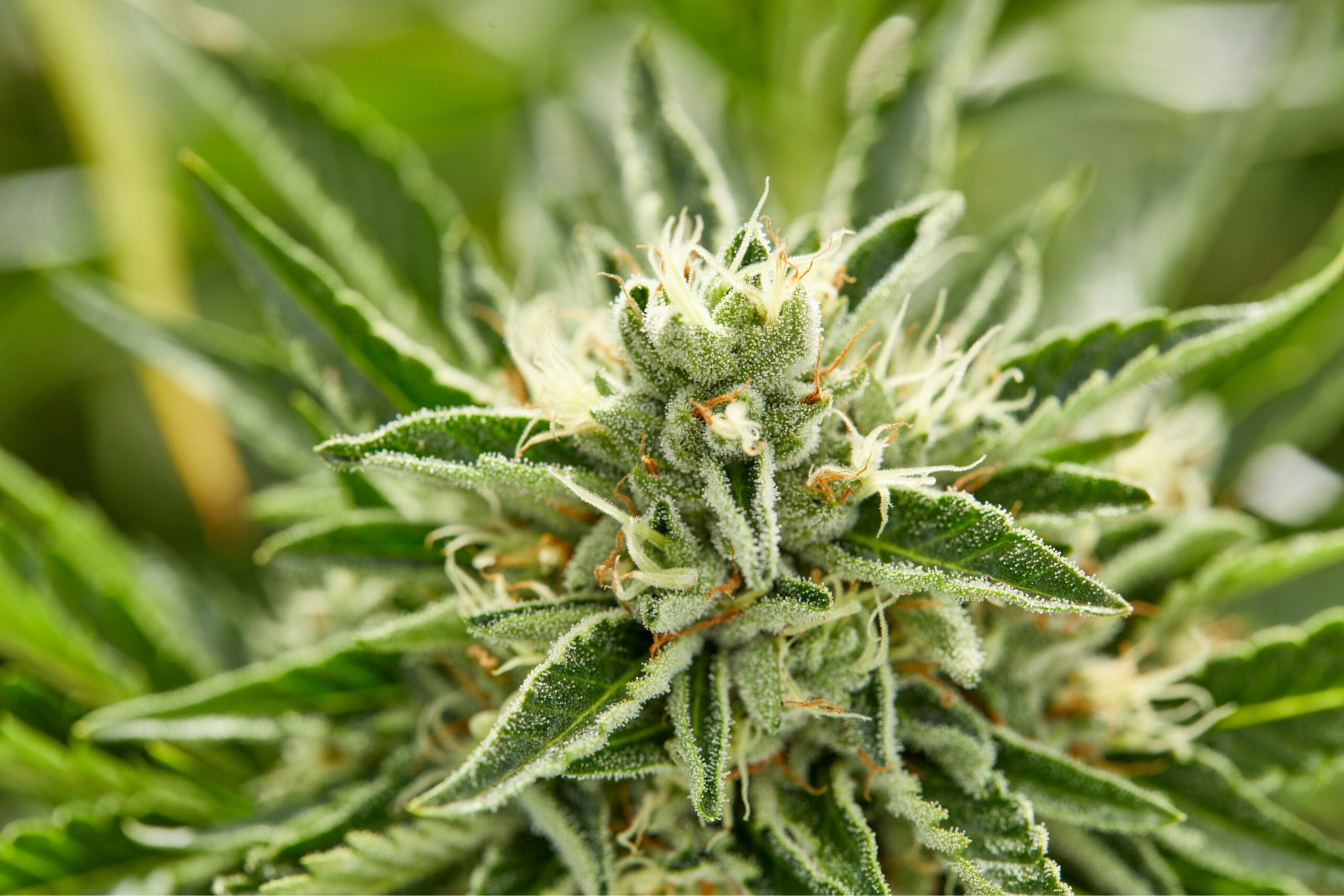
High THC can increase intensity, but it doesn’t tell you what kind of experience you’re getting. Cannabinoids and terpenes fill in the rest, shaping whether it feels heavy, clear, or somewhere in between.
That’s why two products with the same THC percentage can hit completely differently.
THC sets the ceiling, but everything else determines the ride.
Shop high THC products from WCC
The entourage effect
Research suggests the entourage effect may help explain why some cannabis products feel more balanced or nuanced than THC alone. THC might drive intensity, but the overall experience can also be influenced by other compounds present in the product.
That’s one reason full-spectrum products often feel different from isolated THC. Higher THC might look better on paper, but it doesn’t always feel better in practice.
While the exact mechanisms remain under study, research suggests cannabinoids and terpenes may influence how cannabis effects are perceived and experienced.
Rather than simply adding effects on top of THC, these compounds may contribute to the overall character of the experience, whether consumers describe it as more uplifting, relaxing, focused, or body-centered.
How other cannabinoids shape the high
THC may drive intensity, but other cannabinoids help shape how that intensity feels.
Different cannabinoids can influence the experience in different ways:
- CBD is said to soften the edges, which may make the experience feel more balanced
- CBN is often associated in consumer reports with a heavier, more body-focused experience
- CBG and other minor cannabinoids may influence clarity and onset
These effects likely depend on ratio and dose — not just whether a cannabinoid is present.
Products with similar THC percentages can feel noticeably different once other cannabinoids enter the equation. The cannabinoid profile adds context that a THC number alone cannot provide.
Terpenes decide how the experience unfolds
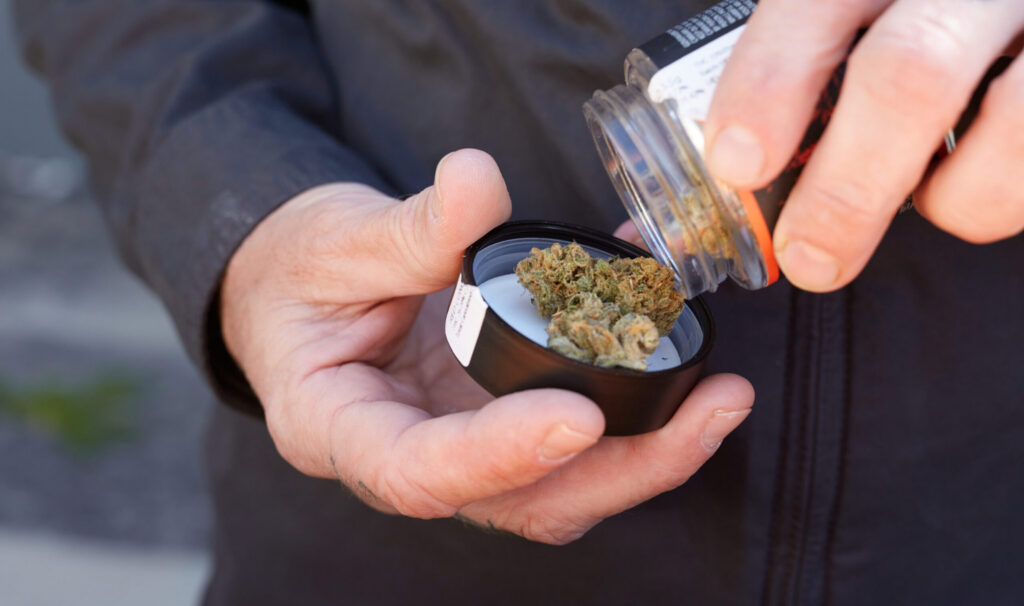
If THC contributes intensity and cannabinoids contribute balance, terpene content may help explain why two products with similar THC levels can feel surprisingly different.
They likely influence how the effects come through:
- limonene → often associated with brighter, more forward effects
- myrcene → often associated with heavier, more grounded effects
- caryophyllene → often associated with a more body-focused experience
These associations depend on concentration, preservation, product formulation, and interactions with cannabinoids.
For many consumers, terpene content explains more about the character of the experience than THC percentage alone.
Why THC percentage doesn’t tell the full story
THC percentage became the default metric because it’s easy to measure and easy to market — but it doesn’t capture how a product actually performs.
Two products can show the same THC number and behave completely differently depending on:
- cannabinoid ratios
- terpene content and preservation
- delivery method (inhaled vs ingested)
Inhaled THC hits quickly and gives real-time feedback. Edibles convert THC into 11-hydroxy-THC, which changes both intensity and duration. The same number on a label can follow completely different curves.
When comparing products, THC is a useful starting point, not a final answer. Looking at terpene content, cannabinoid balance, and product type often provides a better prediction of the experience than THC percentage alone.
Looking beyond THC percentage

Higher THC sets an expectation, but it doesn’t guarantee the experience.
What actually matters is the full profile, how cannabinoids and terpenes come together, and how the product is made.
Consumers shopping exclusively by THC percentage often miss the factors that most strongly influence flavor, character, and overall experience.
A product’s cannabinoid profile, terpene preservation, and formulation frequently provide more useful information than THC percentage alone.
If you want something that actually hits right, look beyond THC.
Explore lab-tested flower, vapes, and concentrates built around flavor, terpene preservation, and effect — not just THC numbers
This post is provided for general informational purposes only. Any descriptions in this post about the perceived effects of cannabis strains, cannabinoids, or terpenes (including terms such as “sleepy,” “energized,” “relaxed,” or similar) reflect anecdotal consumer reports and subjective experiences. They are not based on clinical or medical research and should not be interpreted as scientific conclusions, guarantees, or typical results.
Individual responses to cannabis vary significantly based on many factors, including (without limitation) biology, tolerance, dose, method of consumption, product potency, product composition, set and setting, and interactions with medications or other substances. Your experience may differ from the experiences described in this post.
Cannabis products are not intended to diagnose, treat, cure, or prevent any disease.