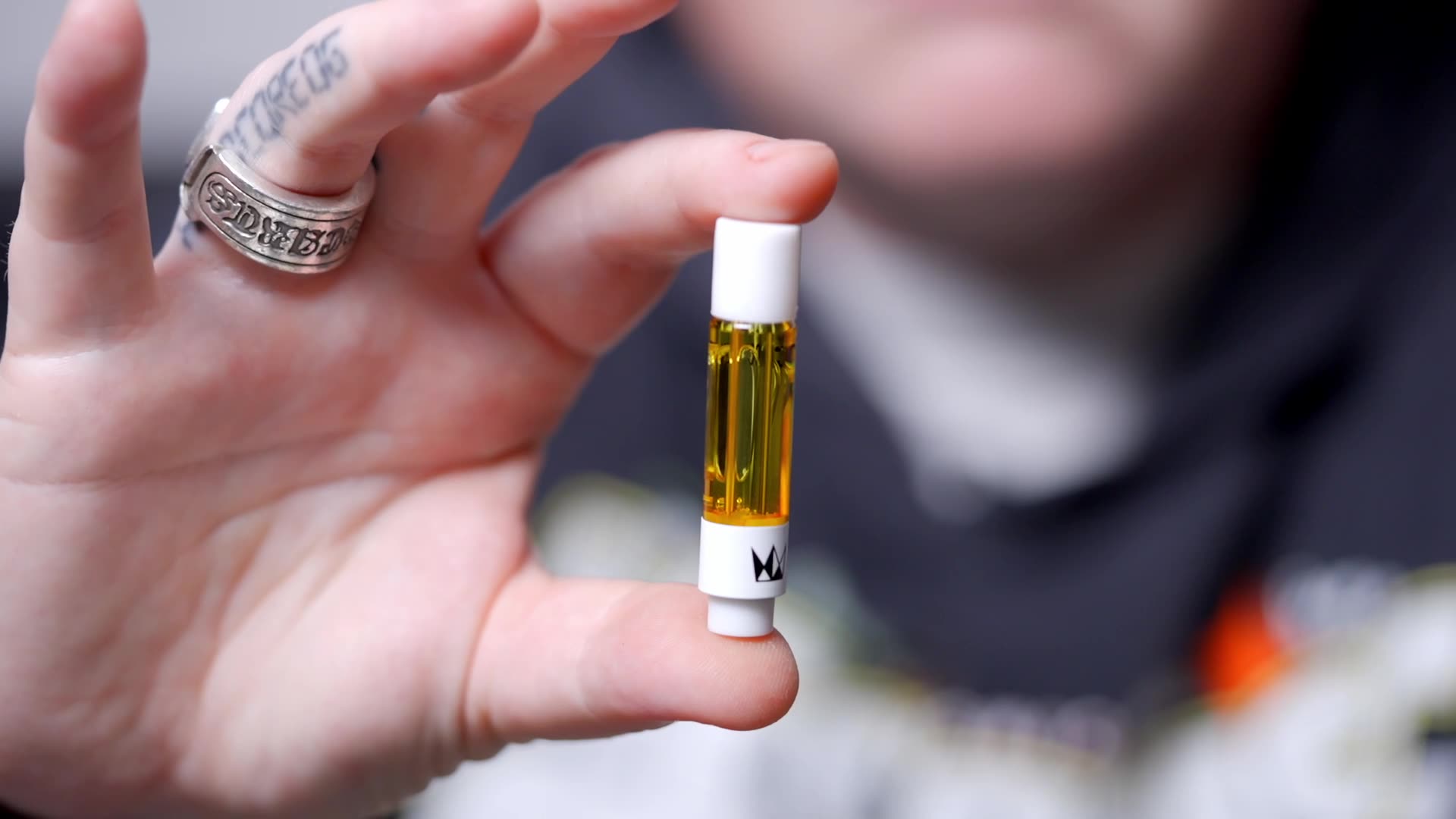
A 510 cartridge works by heating a small amount of cannabis oil into vapor using a battery-powered heating element, while airflow pulls that vapor through the device. When oil flow, heat, and airflow stay in sync, the hit is smooth and consistent. When they don’t, you get burnt flavor, weak pulls, or clogs—usually within a few hits.
Some carts run clean start to finish. Others fall apart fast. That difference isn’t random.
How a 510 vape cartridge produces vapor
A 510 cartridge doesn’t heat the whole tank, it heats a small amount of oil at a time.
When you hit the battery, the heating element (usually ceramic) vaporizes oil sitting in the core. At the same time, air pulls through intake holes, mixes with that vapor, and carries it up the airway.
Everything depends on how fast oil reaches that heating surface.
- Too slow → dry hits, burnt taste
- Too fast → flooding, clogs, spitback
That balance is the entire game. Once it slips, performance drops immediately.
Why your 510 cart hits weak (it’s usually viscosity)
Viscosity is how thick or thin the oil is—and it controls everything.
If oil moves too slowly, the heating element runs dry. If it moves too fast, the chamber floods. Either way, the hit suffers.
Distillate starts thick. Terpenes thin it out. More terps usually means better flow. Strip them back, and the oil struggles to keep up.
Live resin and live rosin aren’t consistent either:
- Some are loose and flow easily
- Some are dense and slow—especially cold-cured
Cold makes everything worse. Oil thickens, flow slows, and the first hit feels weak. Once the cart warms up, it usually evens out.
Ceramic vs coil cartridges: why some burn and others don’t
Most carts use either a coil or ceramic system—and they don’t behave the same.
Coil carts
- Heat fast
- Hit hard
- Create hot spots
That burnt taste people blame on the oil? Most of the time, it’s the coil overheating it.
Ceramic carts
- Spread heat evenly
- Preserve flavor longer
- Stay more consistent
But they’re less forgiving. If the oil isn’t formulated right, they won’t saturate properly—and performance drops fast.
Ceramic rewards good oil. Coil exposes bad settings.
Why your 510 cart keeps clogging
Clogs come from two places: too much oil or bad flow.
If the system floods, oil builds up in the airway and hardens. If airflow is restricted, condensation does the same thing.
Most modern carts use ceramic cores instead of cotton wicks, which helps—but only if the oil matches the hardware.
When it doesn’t:
- airflow tightens
- vapor drops
- clogs show up fast
Store carts upright. Keep them at room temp. Most clog issues start with storage and viscosity, not the hardware itself.
How airflow affects every hit
Airflow isn’t just about draw resistance; it controls how the hit feels.
Tighter airflow:
- denser vapor
- stronger hit
- more heat buildup
More open airflow:
- easier pulls
- smoother hits
- lighter vapor
Too tight and it gets harsh. Too open and it feels thin. When airflow is off, everything feels off, even if the oil is solid.
Best voltage for 510 cartridges (and why carts burn)
Voltage controls heat. Heat controls everything else.
- 2.0–2.8V → smoother hits, better flavor
- 2.8–3.3V → stronger vapor, more risk
- 3.3V+ → where good oil starts to fall apart
Live resin and rosin perform best on the lower end. Distillate can handle slightly more heat—but pushing voltage is the fastest way to kill flavor.
If your cart tastes burnt, start here. It’s usually not the oil—it’s the setting.
Why some cartridges hit better than others
When everything lines up, you don’t think about it:
- flavor stays consistent
- vapor stays even
- draw feels natural
- clogs are minimal
When it doesn’t:
- burnt or muted flavor
- weak or uneven hits
- constant clogging
- harsh inhale
That’s not bad luck. It’s a mismatch between oil and hardware.
Why your cart isn’t hitting right (quick summary)
A 510 cart is simple, but it’s not forgiving. Oil flow, heat, and airflow all have to stay balanced. If one falls off, the rest follow. That’s why a cart can feel perfect for a few pulls, then drop off fast.
If something feels off, it usually comes down to:
- viscosity not matching the hardware
- voltage running too high
- airflow getting restricted
Pay attention to how it pulls and how it tastes. That tells you more than the label ever will.
This post is provided for general informational purposes only. Any descriptions in this post about the perceived effects of cannabis strains, cannabinoids, or terpenes (including terms such as “sleepy,” “energized,” “relaxed,” or similar) reflect anecdotal consumer reports and subjective experiences. They are not based on clinical or medical research and should not be interpreted as scientific conclusions, guarantees, or typical results.
Individual responses to cannabis vary significantly based on many factors, including (without limitation) biology, tolerance, dose, method of consumption, product potency, product composition, set and setting, and interactions with medications or other substances. Your experience may differ from the experiences described in this post.
Cannabis products are not intended to diagnose, treat, cure, or prevent any disease.